Italy Honeymoon Itinerary: Romantic Routes by Season

Planning an Italy honeymoon itinerary is one of those problems that feels good to have. The country is absurdly beautiful, the food is unreasonably good, and almost everywhere you look the light seems designed for photographs you’ll keep for fifty years. The difficulty is not finding romance in Italy. It is deciding where to concentrate it.
The short answer: for most couples, a 10–14 day honeymoon in Italy works best as a pairing — two or three complementary regions rather than a frantic loop of every city on the map. The classic formula is city romance + countryside slow time + coastal drama, ordered north to south or south to north. Spring (late April–June) and early autumn (September–mid-October) are when Italy is most itself — warm, luminous, and slightly less visited than August. The itineraries below are built around those realities.
This guide is specifically about routes and schedules — which cities, in what order, for how many nights, and in which season. If you want a region-by-region overview of romance across Italy, the Italy for couples guide covers that ground. Here, everything is about the shape of the trip.
Choose Your Italy Honeymoon Route
| Route | Vibe | Best Season | Nights |
|---|---|---|---|
| Venice + Lake Como + Amalfi Coast | Water, drama, coast | May–Jun, Sep | 12–14 |
| Florence + Tuscany + Amalfi Coast | Art, countryside, sea | Apr–Jun, Sep–Oct | 10–12 |
| Rome + Puglia + Amalfi Coast | History, coast, slow south | Sep–Oct | 10–12 |
| Northern Lakes Loop (Venice + Como + Verona) | Elegant, cooler, scenery | May–Jun, Sep | 10 |
Italy Honeymoon Itinerary Options: Three Routes
Itinerary 1: The Classic — Venice, Lake Como, Amalfi Coast (13 Nights)
This is the one most travel writers recommend and the one that actually earns the reputation. Three completely different water environments: a city on a lagoon, a mountain lake, and a cliff-hanging coast. Logistically it flows south, which means your flights work naturally — in via Venice, home from Naples.
Best for: Couples who want maximum visual variety and don’t mind a few train transfers.
Best season: Late May–June or September. In July–August the Amalfi road is a traffic jam and the lakes are overrun. In October the Amalfi boats start winding down.
Days 1–3: Venice (3 nights)
Arrive into Venice Marco Polo (VCE). Take the Alilaguna water bus directly to your hotel — it costs around €15 as of 2026, takes 75 minutes, and is the only arrival that feels like arriving in Venice should feel. Save the €150 private water taxi for a splurge mid-trip.
Day 1: Get lost. That is the plan. Put the phone down after you’ve oriented yourself, pick a direction, and walk. Venice rewards wandering more than any city in Italy. In the evening, aperitivo at a bacaro (a Venetian wine bar) — cicchetti, a spritz, and nowhere to be.
Day 2: St Mark’s Basilica and the Doge’s Palace in the morning, timed-entry booked in advance. Then a gondola ride in the afternoon through the smaller canals rather than the Grand Canal — you feel less like a tourist and more like someone who actually lives here. Dinner in Cannaregio, the least visited sestiere, where the restaurants cater to Venetians.
Day 3: Day trip to Burano for the candy-coloured houses and honest seafood. Back by early afternoon. Sunset from the Zattere with a gelato.
For deeper context on Venice and the Veneto, the Venice and Veneto guide has everything you need.
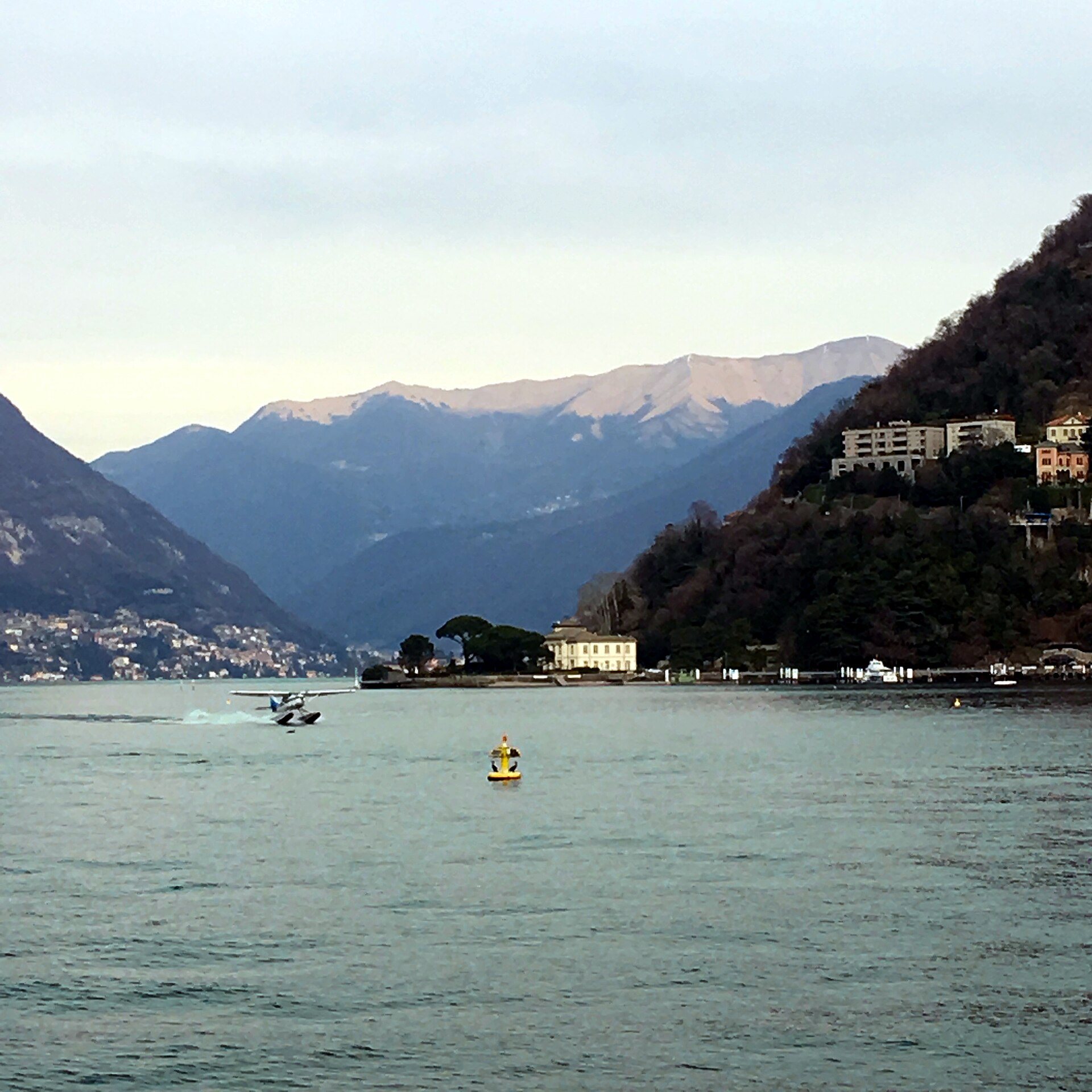
Days 4–6: Lake Como (3 nights)
Venice to Varenna: high-speed train from Venice Santa Lucia to Milan Centrale (around 2.5 hours), then a regional train to Varenna-Esino on the eastern shore of the lake (about 45 minutes). Total journey under 3.5 hours and entirely doable without a car.
Base yourself in Varenna rather than Como town. It is smaller, quieter, and the views across to Bellagio are better. The Passeggiata degli Innamorati — the Lovers’ Walk, a narrow lakeside path — lives up to its name at dusk. Book a hotel with lake-facing rooms or a terrace; that view at breakfast is what the Italian lakes are actually about.
Day 4 (arrival day): Check in, walk the village, take the ferry across to Bellagio for dinner. Come back by last boat.
Day 5: Hire a small boat for the afternoon (available at the dock, no licence needed) and stop wherever looks good. Villa del Balbianello on the Como branch of the lake is arguably the most beautiful garden in northern Italy and worth the ferry ride.
Day 6: Slow morning. Catch the train up to Lecco or down to Como town if you want the wider scene. Return for one more lakeside dinner.
For the full picture on the Italian lakes, see our Italian Lakes guide.
Days 7–9: Florence + Tuscany countryside (3 nights)
Train from Varenna back through Milan and south to Florence (around 3.5 hours total). Florence is the midpoint of this route — geographically and emotionally. After the visual quietness of the lakes, the Renaissance hits differently.
Day 7 (arrival afternoon): Check in, walk to the Ponte Vecchio, aperitivo at a rooftop bar over the Arno. The Aperol spritz-on-a-rooftop-at-sunset experience is entirely real here.
Day 8: The Uffizi Gallery — book timed entry at least two weeks ahead in season. In the afternoon, hike up to Piazzale Michelangelo for the skyline view, then down through Oltrarno for dinner in a neighbourhood trattoria. This is where Florentines eat; the portions are large and the bistecca alla Fiorentina, shared between two, is the right call.
Day 9: Day trip into the Tuscan countryside. Rent a car for the day (you can pick up and drop off at the Florence Santa Maria Novella station car parks). Drive the SR222 through the Chianti vineyards to Greve, stop at a cantina for a wine tasting, continue to Siena for the Piazza del Campo in the late afternoon. Return to Florence for the night.
The guide to Florence and Tuscany goes deep on both the city and the countryside.
Days 10–13: Amalfi Coast (4 nights)
Florence to Sorrento: high-speed train to Naples (about 1.5 hours), then the Circumvesuviana commuter train to Sorrento (around 1 hour from Naples Centrale). Do not rent a car for the Amalfi Coast unless you have driven mountain cliff roads in other countries and genuinely enjoy it. The buses and ferries are fine, the road is not designed for nervous drivers.
Base in Positano for maximum romance, or Praiano for slightly lower prices and a genuinely local feel. The ferry from Sorrento to Positano takes about 25 minutes in season.
Day 10: Arrive, check in, go directly to the water. The beach clubs on the Spiaggia Grande in Positano charge for sunbeds (around €20–30 per person as of 2026) but the alternative — the free pebble strips — are rougher. Pay for a sunbed once. Have the local limoncello spritz before dinner.
Day 11: Ferry to Capri. Take the funicular up to Capri town rather than Anacapri (save the full Anacapri day for a second visit). Wander the Gardens of Augustus with the south coast cliffs below. Take the chairlift up Monte Solaro in Anacapri if time allows. Last boat back around 5–6pm.
Day 12: The Path of the Gods hike — Sentiero degli Dei — from Bomerano to Positano. Around 7.5km, mostly downhill, 3 hours at a relaxed pace. The views over the coast are the best you will get on foot anywhere on the Amalfi. Book a taxi or arrange a bus back from Positano. Afternoon on the beach. Final big dinner.
Day 13: Slow morning, last swim, ferry or bus to Naples, train to the airport or onwards.
For detailed guidance on the coast and Naples, see the Amalfi Coast, Naples, and Campania guide.
Itinerary 2: Florence, Tuscany, and the Amalfi Coast (11 Nights)
This is the Italian honeymoon route that rewards couples who want depth over breadth. Two nights fewer than the classic, but the slow days in the Tuscan countryside are the part people describe for years afterwards.
Best for: Wine lovers, architecture devotees, couples who want long dinners and not much rushing.
Best season: April–early June or September–October. The Val d’Orcia has poppy fields in late May that are completely real and not exaggerated by Instagram.
Days 1–3: Florence (3 nights)
Fly into Florence (FLR) or Pisa (PSA) — both work, with roughly equal ground transfer times. Florence is the richest city in Italy for a honeymoon built around indoor beauty. The Uffizi, the Accademia (Michelangelo’s David), the Bargello, the Brancacci Chapel — you could spend a week on art and barely surface.
Day 1: Arrive, walk the city, dinner in San Niccolò on the Oltrarno side.
Day 2: Major sites morning — pick Uffizi or Accademia, not both in one day. Afternoon: the Boboli Gardens at the Pitti Palace, then aperitivo. These gardens are genuinely underused by tourists and completely beautiful in spring.
Day 3: Day trip to Fiesole — a 20-minute bus ride above Florence with Etruscan ruins, Roman theatre, and views back down over the city. Gentle, a little unusual, and not in every guidebook. Back for a market lunch and an afternoon in the Oltrarno galleries.
Days 4–7: Tuscan countryside (4 nights)
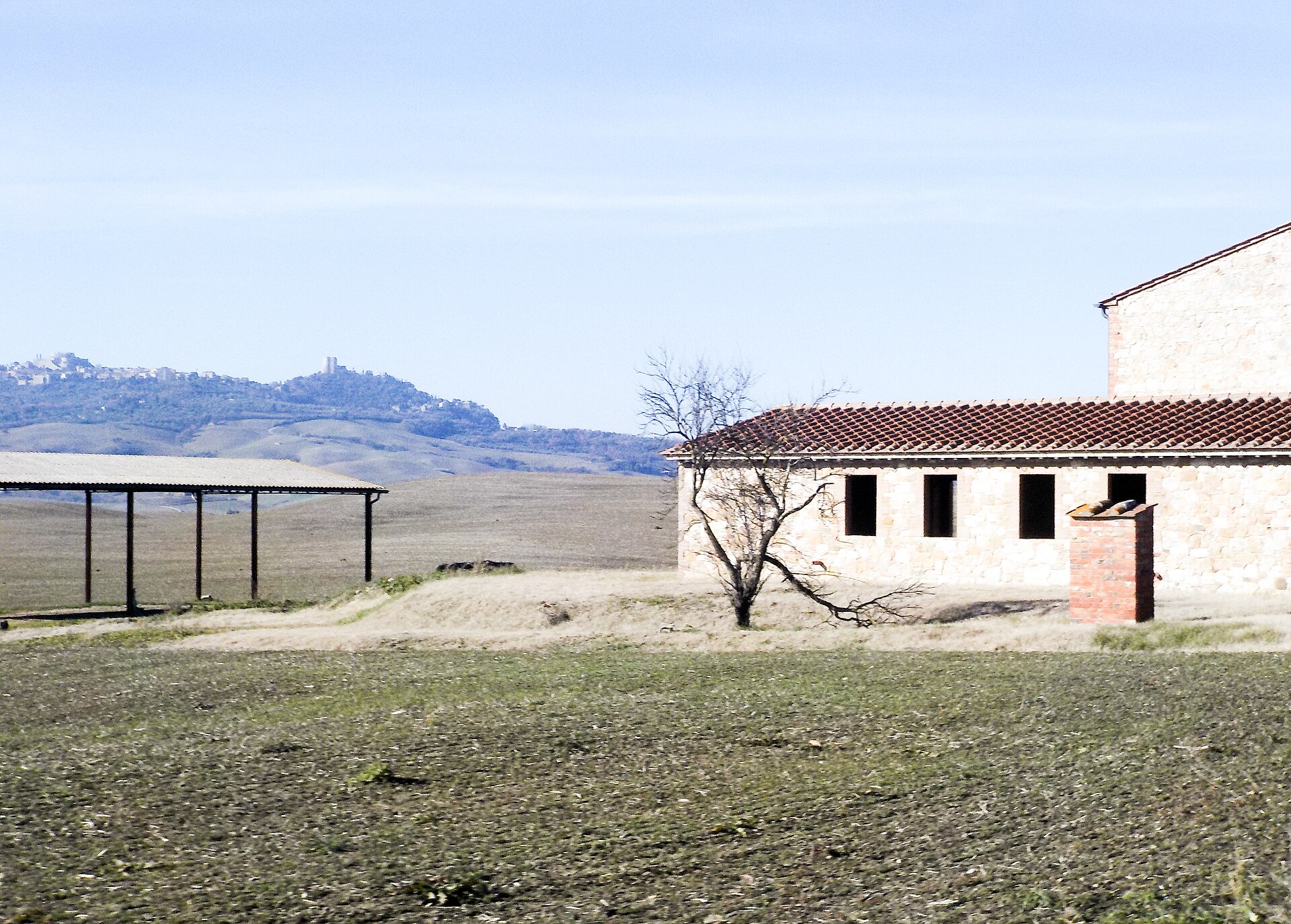
Pick up a hire car in Florence. Base yourself in the Val d’Orcia or Chianti — Montalcino, Pienza, or a working agriturismo farm between them. This is the deliberate slow section of the honeymoon and worth protecting from the temptation to drive everywhere.
What an agriturismo actually means: a working farm estate — olives, vines, sometimes sheep — with rooms or apartments rented to guests. Meals are made from the estate’s produce. Dinner is at a shared table or private in your room depending on the property. Properties like Castiglion del Bosco near Montalcino or La Bandita outside Pienza set the standard, but smaller, less famous farms in the Crete Senesi area offer similar stays at considerably lower prices. Book directly through the property website where possible.
Day 4: Drive the SR2 south from Florence to Siena (75km, about 1.5 hours). Spend the afternoon in Siena — the Piazza del Campo, the Duomo, and a plate of pici cacio e pepe somewhere off the tourist track. Drive to your agriturismo in the late afternoon.
Day 5: Wine morning — Montalcino is the home of Brunello, Italy’s most celebrated red, and a tasting at a small producer (Poggio di Sotto or Ciacci Piccolomini d’Aragona are well-regarded; book ahead) is not something you can easily replicate anywhere else. Afternoon at the agriturismo pool or on the farm.
Day 6: Drive the Val d’Orcia. Pienza for the honey-coloured buildings and the cheese (Pecorino di Pienza, aged in walnut leaves, is what you’re after). Montepulciano for Vino Nobile and the views. Back before sunset for dinner on the estate.
Day 7: Slow morning at the agriturismo. Drive to the coast — Punta Ala or Castiglione della Pescaia if you want a beach day before heading south — or drive directly to the Naples high-speed rail hub.
Days 8–11: Amalfi Coast (4 nights)
Follow the same Amalfi section as Itinerary 1 (Days 10–13 above), using Sorrento or Positano as a base.
The combination of Tuscany’s slow countryside pace followed by the Amalfi’s theatrical scenery is the most emotionally complete Italian honeymoon I can describe. The two places feel like different countries and create a natural narrative arc to the trip.
For full route planning on a two-week trip around Italy, see our 2-week Italy itinerary and 10-day Italy itinerary for alternative frameworks.
Itinerary 3: Rome, Puglia, and the Amalfi Coast (11 Nights)
This is the route for couples who’ve already done the north, who want fewer tourists and more heat, or who got married in autumn and want the best of September’s Italy. Puglia is mainland Italy’s most underused honeymoon region. The masserie (fortified farm estates) in the Itria Valley are among the most romantic places to stay in the country.
Best for: Repeat Italy visitors, couples who want fewer crowds, autumn wedding honeymoons.
Best season: Mid-September to mid-October, when Puglia is warm but not melting and the harvest is under way.
Days 1–3: Rome (3 nights)
Fly into Rome Fiumicino (FCO). Rome has enough to fill two weeks on its own; three nights here means editing hard. The things you must not miss: the Colosseum and Roman Forum (book early, visit at 8am when the light is extraordinary), the Vatican museums with a timed entry that gets you into the Sistine Chapel before the crowds build (9am slots go fast), and the Trastevere neighbourhood after dark, which is the most beautiful urban evening in Italy.
Day 1: Arrive, check in, walk. Trastevere for dinner.
Day 2: The Vatican all morning. Castel Sant’Angelo and the Prati neighbourhood for lunch. Piazza Navona and the Pantheon in the afternoon. Trevi Fountain at 10pm when it is less crowded.
Day 3: Colosseum, Roman Forum, Palatine Hill in the morning. Aperitivo in Pigneto (the cool local neighbourhood, not the tourist centre). Dinner in Testaccio, Rome’s food neighbourhood, where the markets and restaurants have been running longer than most European capitals have existed.
For a deeper dive into the capital and surrounding Lazio, the full guide to visiting Italy and southern Italy itinerary give essential context.
Days 4–7: Puglia (4 nights)
Fly Ryanair or ITA Airways from Rome to Bari or Brindisi (around 1 hour; cheaper and more practical than a train). Base yourself in the Itria Valley or the Valle d’Itria white trulli towns — Alberobello, Locorotondo, Cisternino, Ostuni.
A masseria stay is what distinguishes Puglia honeymooning from anywhere else in Italy. These are old fortified farmhouses converted into accommodation, typically with a pool set among olive groves, meals made from the estate’s produce, and a quietness that is genuinely hard to find in Italy’s more popular regions. Masseria San Domenico near Fasano or Masseria Torre Coccaro are established names; Masseria Il Frantoio near Ostuni is more intimate and family-run.
Day 4: Fly to Bari, pick up a hire car (essential in Puglia outside the main towns), drive to your masseria. Settle in.
Day 5: Alberobello in the morning (the trulli town is touristy but genuinely unlike anything else in Europe; go before 10am for empty streets). Locorotondo for lunch — a perfectly white hilltop town with a good local wine — then the coast at Torre Canne or the beaches around Monopoli for the afternoon.
Day 6: Ostuni — the white city — for the morning. The Grotte di Castellana cave system (about 40 minutes from Ostuni) for the afternoon if you’re curious; it is one of the largest cave networks in Italy and genuinely spectacular.
Day 7: Drive back to Bari or Brindisi, fly to Naples. Ferry or train to Sorrento.
Days 8–11: Amalfi Coast (4 nights)
Follow the Amalfi section from Itinerary 1 above.
Romantic Stays and Experiences Worth Booking in Advance
In Venice: A Grand Canal-view room at the Gritti Palace or a smaller canal-facing room at Palazzo Stern. These fill months ahead in spring and early September. Book at least 3 months out if your dates are fixed.
In Lake Como: Bellagio’s Villa del Balbianello garden tickets (the National Trust property used in Casino Royale and Star Wars) sell out; book through FAI online. Hotel stays on the eastern shore — Varenna or Menaggio — give you lake views without Bellagio’s premium prices.
In Tuscany: An agriturismo dinner at the farm table. Most properties ask you to book dinner on arrival or by that morning. Ask specifically about a “cena a lume di candela” (candlelit dinner) — some properties offer this on request.
On the Amalfi Coast: A sunset boat tour from Positano running south to the sea caves at Li Galli (the rocky islands where Nureyev once lived). Around €80–120 per couple as of 2026. Operators at the Positano dock; book same-day in shoulder season, 1–2 days ahead in peak.
Everywhere: A cooking class. Every region of Italy has a different cuisine and a different style of teaching it. In Tuscany: pasta and sugo from a Siena-based cook. In Puglia: fresh orecchiette from a local home kitchen (Bari’s old town still has women making pasta in the street — you can book lessons with them). In Rome: a market-to-table class in Prati or Pigneto. These take half a day and are usually around €80–120 per person.
For guidance on where to stay across the country — from agriturismi to boutique hotels — the where to stay in Italy guide has region-by-region recommendations.
Season-by-Season Honeymoon Guide
April: The shoulder season sweet spot for Tuscany and Rome. Wildflowers in the Val d’Orcia and Umbria, manageable crowds, and hotel prices that haven’t yet hit summer peaks. The Amalfi Coast is open but the sea is cold. Good for Itinerary 2.
May: The closest thing Italy has to a perfect month. Warm, not yet hot, and the landscape is at peak green. Venice is beginning to fill up but still very manageable in the early weeks. The Amalfi and Capri season is properly under way. All three itineraries work well.
June: Early June is still excellent before the school holiday surge hits. By mid-June, Venice can feel crowded and Rome is building towards uncomfortable heat. Plan outdoor walking for mornings. A rooftop pool or hotel garden matters more in June than any other month.
July–August: Rome and Venice are very hot and crowded. Prices are at their highest. The lakes and mountains are genuinely enjoyable; the Dolomites are in peak summer walking season. The Amalfi road is genuinely difficult in August — it is not a myth. If you must travel in summer, base yourself in one place rather than moving constantly.
September: The best single month for a honeymoon in Italy. The sea is warm from summer (around 24–26°C), the harvest is starting in Tuscany and Puglia, the light turns golden, and by mid-September the worst of the summer crowds have cleared. Hotels often have their best value in the first two weeks. All four routes work beautifully.
October: A strong choice for the south and Tuscany. Grape and olive harvest is under way. The Amalfi boats thin out by late October and some smaller coastal places close for winter, but up to mid-October the coast is still gorgeous. Lake Como in autumn has a coloured-leaf reflection quality that is genuinely striking.
November–March: The major cities work year-round for sightseeing — Rome and Florence are often at their least crowded and hotel prices drop considerably. The coast is largely in winter mode. Good for couples who have done Italy before and want the cities without the crowds. Not for a first honeymoon unless you specifically want that experience.
For a complete breakdown of what Italy offers each month, see the best time to visit Italy guide.
Final Thoughts
Italy rewards the couple who decides what kind of trip they want before they start booking. A honeymoon built around one canal city, one stretch of countryside, and one dramatic coast will give you more than a hurried sprint through five cities and a dozen train platforms. The routes above are designed to have a shape — a beginning, a middle somewhere beautifully slow, and an ending with the sea in front of you.
Whatever you choose, book the restaurants, buy the train tickets early, and leave at least two full days with nothing on the agenda. The best moments in Italy — the ones you’ll actually tell people about — happen when you were not trying to get anywhere in particular.
For more practical frameworks, see the 2-week Italy itinerary, the 10-day Italy itinerary, and the suggested route through Southern Italy for route variants that work alongside the honeymoon options above.
Questions travellers ask
How long should a honeymoon in Italy be?
Ten to fourteen days is the standard and it works. Fewer than ten days and you are either rushing or limiting yourself to one region. Fourteen days lets you combine three regions at a comfortable pace with real slow days built in — the kind of trip where you don’t feel like you lost half of it to logistics. If you only have seven days, choose one region and go deep rather than trying to cover the classic trio of Venice–Florence–Rome at speed.
What is the best Italy honeymoon itinerary for first-timers?
For a first visit, Itinerary 2 — Florence, Tuscany, and the Amalfi Coast — is the most satisfying. It combines the city with the countryside and the sea in a logical south-flowing route, the train connections are straightforward, and the Tuscan countryside section gives you the slow, romantic experience that distinguishes a honeymoon from a regular holiday. If your first visit must include Venice, add 2–3 nights at the front and fly home from Naples instead.
Is Italy expensive for a honeymoon?
It depends entirely on how you travel. A moderate-spend Italy honeymoon — mid-range hotels, restaurant dinners (not luxury), trains, and one or two experiences per day — runs around €250–400 per couple per day on the ground, excluding flights, as of 2026. An agriturismo in Tuscany can cost less than a three-star city hotel and offer a far more romantic experience. The Amalfi Coast and Venice are Italy’s two most expensive destinations; Puglia and the hill towns of Tuscany are significantly cheaper and arguably more intimate. Shoulder season (April–May, September–October) saves 20–30% on accommodation compared to peak summer. See our Italy itineraries guide for more planning detail.
Should we visit Venice in summer for our honeymoon?
Venice in July–August is busy, humid, and expensive. The city is still beautiful — it cannot help being beautiful — but it is hard to feel romantic with very large groups moving through the narrow calli. Late May or September is when Venice is most itself. That said, early mornings in Venice are magical in any month; if you stay in Venice in summer, plan your walks before 8am and after 7pm and you will have an entirely different experience from the day-tripper crowds.
Do I need a hire car for an Italy honeymoon?
For the cities and the Amalfi Coast, no — and a car in Venice is impossible by definition. For Tuscany’s countryside, yes, ideally. For Puglia, yes, essential outside the main towns. For Lake Como, a car is not needed (ferry and trains handle most of the lake) but gives you access to more remote valleys and lesser-known lakeside villages. The rule of thumb: hire a car only for the days you are genuinely driving through countryside, and drop it off before you enter a city where parking and ZTL restricted zones (the camera-enforced historic centre restrictions) become a source of fines and frustration.
What should we book well in advance for an Italy honeymoon?
In rough order of urgency: accommodation in Venice for May or September (3–4 months out); timed-entry tickets for the Uffizi, Vatican museums, and Colosseum (at least 3–4 weeks out, more in peak season); a private water taxi or boat tour on the Amalfi; any dining at restaurants with significant reputations (2–4 weeks out in shoulder season, more in peak). Trains between Italian cities can be booked through Trenitalia or Italo up to 4 months in advance and are usually cheaper the earlier you book. For a broader planning framework, the complete guide to visiting Italy covers the essentials.
Which Italy honeymoon route is most romantic: Venice, Tuscany, or the Amalfi Coast?
They offer different flavours of romance. Venice is dramatic and cinematic — a city that exists to be experienced at close quarters, after dark, slightly lost. Tuscany is slow and sensory — long meals, good wine, waking up to vineyards. The Amalfi Coast is theatrical — the kind of place where a view stops you mid-sentence. If you can only have one: for a first honeymoon, Positano on the Amalfi is the most immediately overwhelming. For a honeymoon you will describe as life-changing, the week in a Tuscan agriturismo is harder to forget.
Can we combine Italy with another country for a honeymoon?
You can, and southern France or the Dalmatian Coast of Croatia are practical add-ons that share Trenitalia and ferry connections respectively. But Italy alone, done properly over 12–14 days, rarely leaves couples wishing they’d gone elsewhere. The more common regret is the reverse — not having enough time in Italy rather than too much. Start with a complete Italy honeymoon route before building outwards.
1 comment
Comments are closed.