Italy in March: A Spring Travel Guide

Is March a Good Time to Visit Italy?
Yes — for cities, culture, and your wallet, Italy in March is one of the most underrated times to go. Crowds are thin, hotel rates are low, and the country is shaking off winter in real time. What March is not is a beach month. The coast is largely closed, lake ferries run reduced schedules or not at all, and the weather, especially in early March, can feel closer to February than April. If you go in expecting that, you won’t be disappointed. If you go in expecting warm evenings on the Amalfi Coast, you will be. This guide is for the traveler who wants the real Italy — the museums without the queues, the trattorias with actual locals in them, and the satisfaction of paying a sane price for a good hotel room.
For an overview of the full year, see our complete guide to the best time to visit Italy. And if March feels too early, compare it with Italy in April and Italy in May. If you’re seriously considering the off-season, Italy in January is the quietest and cheapest of all.
March in Italy Weather: What You’re Actually Getting
The single most important thing to understand about March in Italy weather is that early and late March are almost different months. The first week or two can be genuinely cold — grey skies, rain, and temperatures in Rome that drop to 7–8°C (mid-40s°F) at night. By the last week of March, the clocks spring forward (Italy switches to summer time on the last Sunday of March), the evenings stretch out noticeably, and you can sit outside for an aperitivo in a light jacket.
The country also runs a meaningful north–south gradient. Milan in early March still feels like a northern European winter. Sicily in late March already has the faint feeling of early summer.
Regional Weather at a Glance
| Region / City | Typical High | Typical Low | Feel |
|---|---|---|---|
| Milan / Venice / Bologna | 10–14°C (50–57°F) | 2–6°C (36–43°F) | Cool, damp, occasional fog; layers essential |
| Florence / Tuscany | 13–16°C (55–61°F) | 5–8°C (41–46°F) | Crisp and changeable; pleasant for walking |
| Rome | 14–17°C (57–63°F) | 7–9°C (45–48°F) | Mild, mostly sunny by late March |
| Naples / Campania | 15–18°C (59–64°F) | 8–10°C (46–50°F) | Warm enough for outdoor dining by month’s end |
| Puglia / Basilicata | 15–18°C (59–64°F) | 7–9°C (45–48°F) | Bright, often sunny; countryside at its greenest |
| Sicily | 17–20°C (63–68°F) | 9–11°C (48–52°F) | Spring already arrived; the warmest option |
| Dolomites / Alps | 4–9°C (39–48°F) | -3–1°C (27–34°F) | Still skiing weather in early March |
Rain is possible anywhere in March — expect roughly 8–12 rainy days in the north, 6–9 in the center, and 5–7 in the south. That said, Italy’s spring showers tend to be short and sharp rather than all-day affairs. A packable rain jacket and you’re set.
Crowds and Prices: The Real Value of Visiting Italy in March
This is the heart of the March argument. Italy’s tourism infrastructure runs on a summer rhythm, and March is firmly shoulder season for most of the country. What that means in practice:
- Hotel rates in Rome and Florence typically run 20–40% lower than in May, and 40–60% lower than peak July–August. You can book a four-star hotel in central Rome for what a two-star costs in high season.
- Flight prices from North America and Northern Europe tend to be meaningfully cheaper than spring break season or the summer surge.
- The big museums — the Colosseum, the Uffizi, the Vatican Museums — still require advance booking, but sell-out windows are days rather than weeks. You’re unlikely to arrive at the Colosseum and find the next available slot is in three days.
- Restaurants operate normally. You can walk into a popular trattoria for lunch without a reservation. Tables at the Uffizi café don’t require a strategy meeting.
The one caveat: if Easter falls in late March (which it does some years — Easter is always a moving target based on the lunar calendar), the last week of March gets a surge of Italian domestic travel and European visitors. Holy Week processions are genuinely worth seeing, but prices and crowds spike accordingly. Check the Easter date before you book.
For a full breakdown of how to travel Italy without overspending, our Italy travel budget guide covers the numbers honestly.
What’s Open and What’s Still Closed in March
This is the section you won’t find on most “Italy in March” listicles, and it matters.
What’s Open
- All major museums and archaeological sites: Colosseum, Roman Forum, Palatine Hill, Vatican Museums, Uffizi, Accademia, Pompeii, Valley of the Temples — all open, normal hours.
- City restaurants, cafes, bars: fully operational. No summer hours yet, which means lunch service runs properly and nobody’s on holiday.
- Public transport: trains, city buses, the metro — all normal.
- Ski resorts: the northern Alps and the Dolomites are usually still in full operation through mid-to-late March. This is an underrated March option if you want to combine cities with a couple of ski days.
What’s Limited or Closed
- Amalfi Coast ferries: Most ferry services on the Amalfi Coast don’t resume until late March at the earliest, and full seasonal schedules typically start in April. If ferries are running at all in early-to-mid March, it’s weekend-only on limited routes, and weather cancellations are common.
- Lake Como, Lake Garda, and Lake Maggiore ferries: Ferry services on the lakes operate on reduced winter schedules through much of March. Many lakeside hotels, restaurants, and boat tour operators are closed until April. You can visit the lakes, but don’t plan a trip built around hopping between lakeside towns by boat.
- Coastal resort towns: Positano, Ravello, Portofino, the smaller Cinque Terre villages in off-season mode — many smaller hotels, boutiques, and restaurants stay shuttered until April. You can still visit Cinque Terre and walk the trails (the famous Via dell’Amore path is separate from the main trails), but it’s a quieter, more limited experience.
- Beach lidos and outdoor pools: Closed universally.
- Some hilltop agriturismo and rural B&Bs: A portion of countryside properties in Tuscany and Umbria take a late-winter break through February-March. Worth checking when booking.
The cities — Rome, Florence, Naples, Palermo, Bologna, Venice, Siena — are fully functional. These are where March rewards you most.
What Makes March Special: Blossoms, Events, and That Moment When Italy Wakes Up
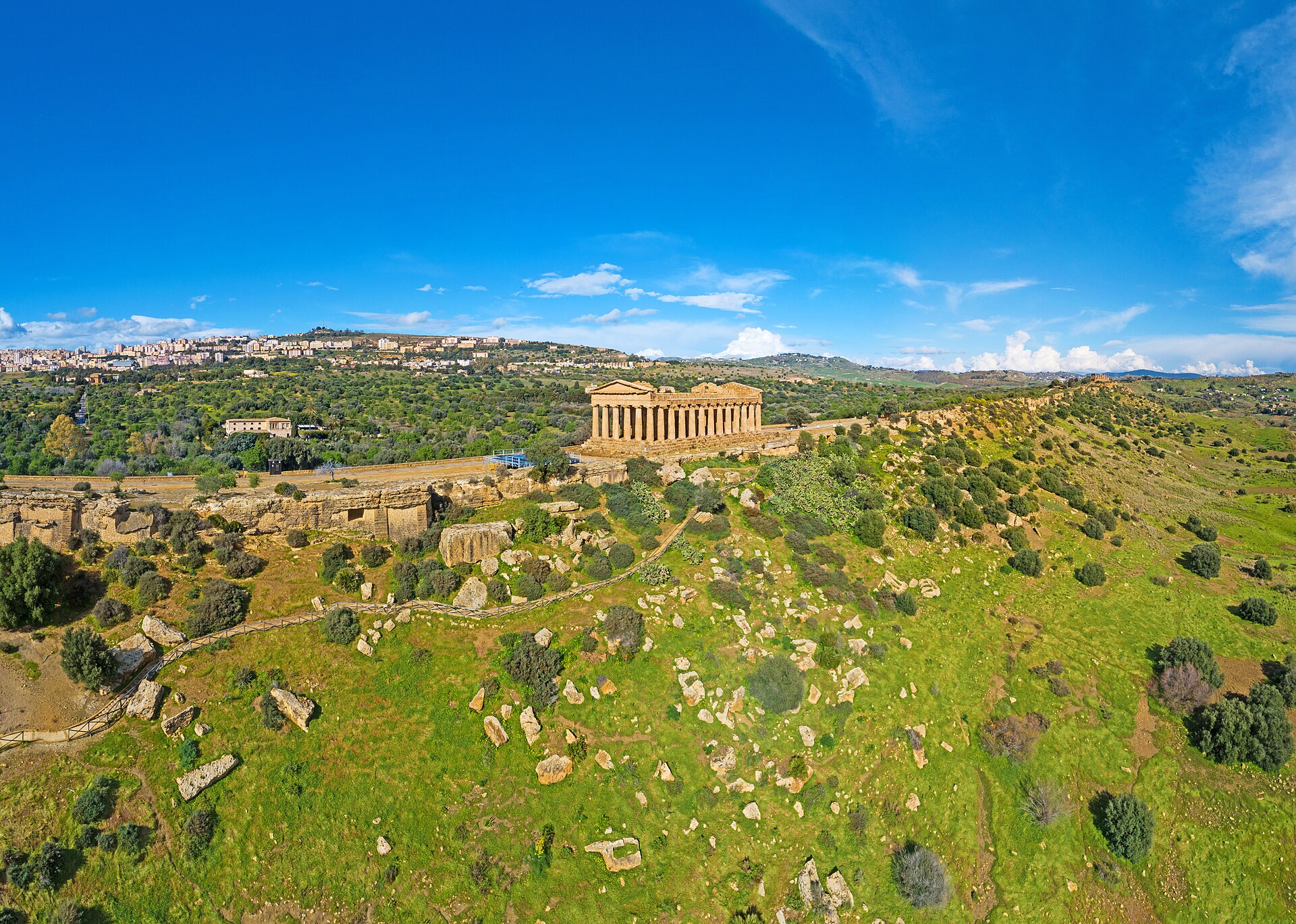
The Almond Blossom Festival, Sicily
If there is one unmistakably March thing in Italy that no other month offers, it’s the Mandorlo in Fiore — the Almond Blossom Festival in Agrigento. Held at the Valley of the Temples against a backdrop of 2,500-year-old Greek ruins, the festival runs for about ten days in early-to-mid March and involves folk dancers from across the world, local almond-based food, and an extraordinary visual: thousands of almond trees in white-pink bloom between the ancient columns. It’s one of those genuinely rare experiences that isn’t manufactured for tourists — it’s been happening here for decades because the trees bloom when they bloom, and the locals celebrate accordingly.
Sicily in March is also just a very good idea in general. It’s warmer than the mainland, spring is further along, and you have Palermo, Taormina, Syracuse, and Noto largely to yourself compared to April and May. Read our guide to Sicily for the full picture.
Feast of St. Joseph (March 19)
March 19 is La Festa di San Giuseppe — St. Joseph’s Day — which doubles as Italian Father’s Day. In Sicily and southern Italy, this is a significant celebration. Communities build elaborate altars (tavole di San Giuseppe) loaded with bread, citrus fruits, and handmade decorations. Bakeries across the country make zeppole di San Giuseppe, deep-fried pastry rounds filled with custard and topped with a sour cherry. Even in Rome and Florence, you’ll find them in every pasticceria window from early March onward. Eating them is a seasonal ritual, not a tourist gimmick.
International Women’s Day (March 8)
On March 8, the Festa della Donna, Italian women traditionally receive yellow mimosa flowers. Museums across the country frequently offer free or reduced entry for women. It’s a pleasant coincidence if your trip overlaps, and the city streets have an unusually cheerful energy.
Early Spring Countryside Green-Up
By the third week of March, Tuscany, Umbria, and the Marche start their transformation. The olive groves are the same grey-green they always are, but the wheat fields between the cypress rows are vivid, almost electric green — a color that’s gone by May when the heat bleaches everything. If you want to photograph the Tuscan countryside without competing with tour buses, late March is a quietly ideal window. Our Florence and Tuscany guide has more on timing a Tuscany countryside trip.
Carnival Into Early March
Venice Carnival (Carnevale) falls in late January to mid-February depending on the year, but occasionally its tail end extends into the first days of March. If your dates overlap, it’s worth factoring in — Venice in elaborate masks is unlike anything else. Even without Carnival, Venice in March is exceptional: cool, atmospheric, and without the summer crowds that make the narrow calli genuinely unpleasant.
Easter (When It Falls in March)
Easter is the most important religious holiday in the Italian calendar — more so than Christmas in many parts of the country. When Easter falls in late March, Holy Week (Settimana Santa) processions begin that final week. The Good Friday procession at the Colosseum in Rome, led by the Pope, is one of the most dramatic public events in Europe. Smaller towns across Calabria, Sicily, and Sardinia hold processions of extraordinary intensity that have continued for centuries. This is a genuine plus for a March trip — but book accommodation months in advance if your dates land in Holy Week.
Best Places to Visit in Italy in March
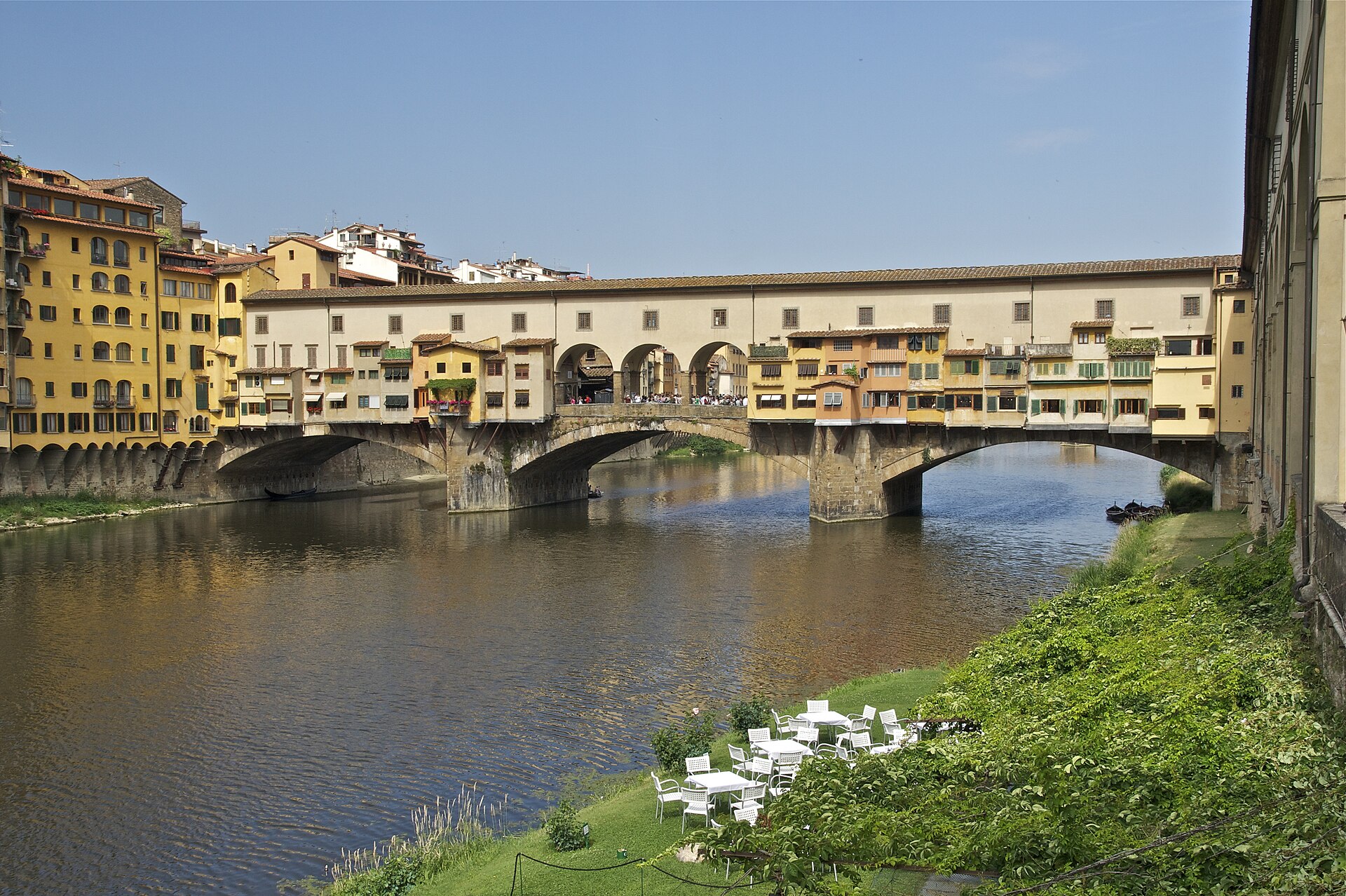
Rome
Rome is the best major city in Europe for a March visit, and I’ll stand by that. The temperatures are pleasant for walking — cool enough that you won’t overheat at the Forum, warm enough that you can sit outside for lunch. The Colosseum, the Pantheon, and the Vatican Museums are all accessible without August’s 45-minute queues forming from the first opening minute. Hotel prices are lower than in any other month except January and February. And the city itself has a quality in spring light — low and golden — that looks different from summer’s hard brightness.
You can move through the city at your own pace. Two days at Rome’s top sites, two days getting lost in Trastevere and Prati and across the river into less-visited neighborhoods. The Rome tourism guide covers the practical logistics.
Florence and Tuscany
Florence in March is quieter and more itself than at any other time of year. The Uffizi, Accademia, and Bargello still require timed entry reservations, but they’re available with two or three days’ notice rather than two months’. The Duomo’s dome climb is walkable without sweating through your clothes.
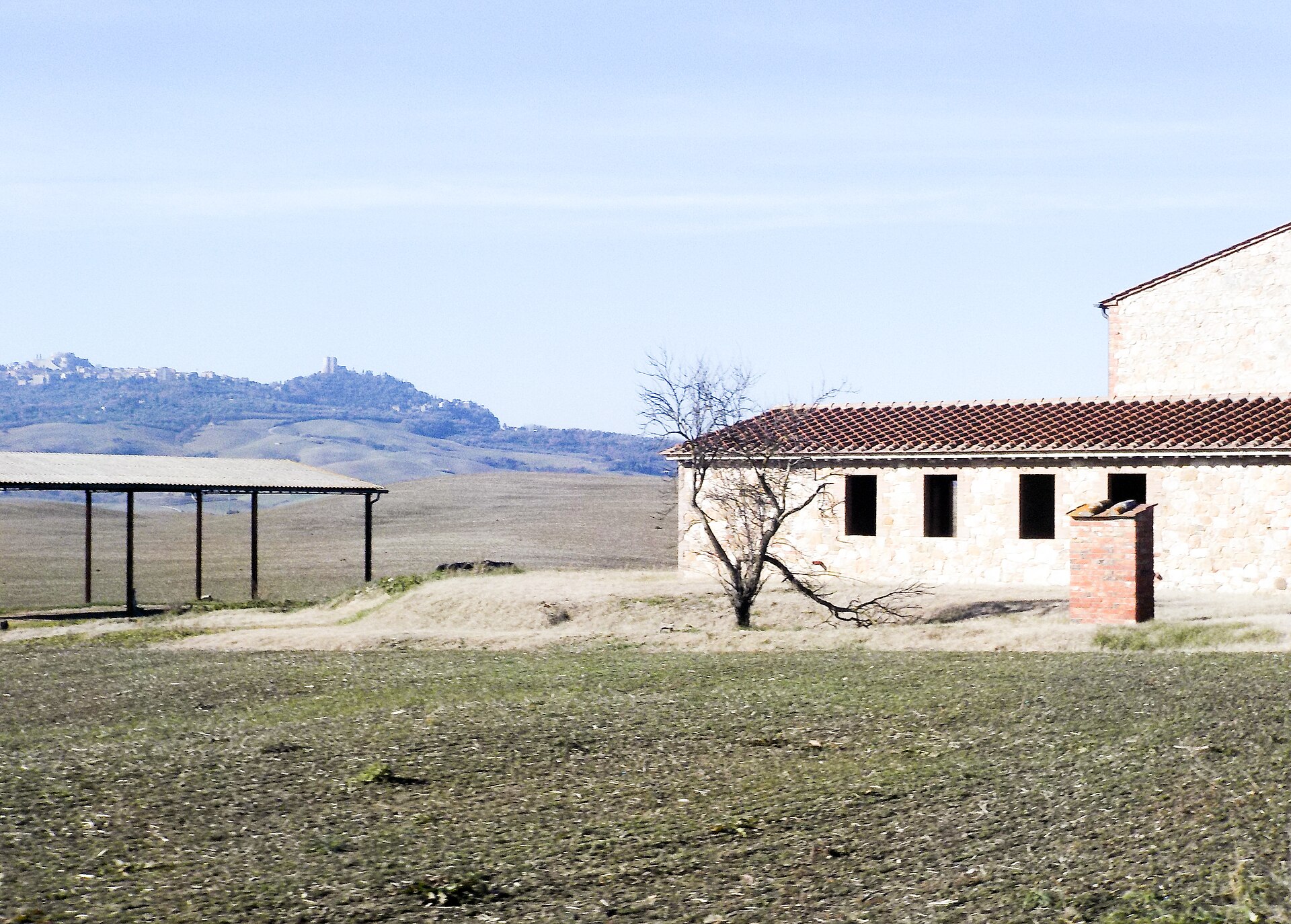
More importantly, March gives you the Tuscan countryside before the crowds arrive. Late March driving through the Val d’Orcia, Chianti, or the hills around Volterra, you’ll find almost no tour buses, impossibly green fields, and the almond trees already out in the lower valleys. Wine estates are often more relaxed about impromptu visits than they are in peak season. Read more in our Florence and Tuscany travel guide.
Sicily
Sicily is the warmest and arguably the most rewarding Italian destination for a March trip. Agrigento for the Almond Blossom Festival, Palermo for street food and the Cappella Palatina’s mosaics, Taormina for the view of Etna above the Greek theatre, Syracuse for the labyrinthine Ortygia island. All of these are better with fewer people around, and March delivers that. The full Sicily guide has full destination coverage.
Naples and Pompeii
Naples — chaotic, loud, genuinely excellent — is a March pick I’d make before the Amalfi Coast. The city is fully operational, the pizza is the same, and the streets are far more navigable than in summer. Pompeii and Herculaneum, both a short train ride out, are open and impressive without the summer sun that makes three hours of walking the excavations genuinely exhausting. The archaeological museum in Naples itself has the finest Roman collection in the world and is almost always quieter than its reputation deserves.
Bologna and the Po Valley
Bologna is underused as a destination and almost never appears on March guides, which is a genuine oversight. It’s one of Italy’s great food cities — the tortellini and tagliatelle here are a different thing from anywhere else — and in March it’s entirely local. The university is in session, the markets are running, and there’s none of the tourist-facing artificiality you can feel in Florence in summer. A three-night base here, day-tripping to Parma, Modena, and Ferrara, is one of the best Italy itineraries you could put together. See our Italy itineraries guide for ideas.
What to Pack for Italy in March
The key mistake is packing too light for early March or too heavy for late March. The solution is layers.
- A mid-weight jacket — not a heavy winter coat, but something with some insulation. A trench coat or light quilted jacket works well.
- A packable waterproof layer — a compact rain jacket takes up almost no space and earns its place on every March trip.
- Sweaters and long-sleeved layers — you’ll use them in the morning and evening even in Sicily.
- At least one smart-casual outfit — for good restaurants and churches; bare shoulders and shorts won’t get you into the Vatican or major basilicas.
- Comfortable walking shoes that can handle rain — cobblestones get slippery. Leather or waterproofed trainers, not open sandals.
- A scarf — useful for warmth, for sitting outside in the evening, and for covering up in religious sites.
Leave the summer dresses and linen at home for early March. By the last week, you might get a surprise warm day in the south — but pack for the weather you’ll likely have, not the one you’re hoping for.
A Sample Italy in March Itinerary (10 Days)
This itinerary works well for a first or second Italy trip and makes the most of what March specifically offers. It’s built around the idea that cities are the star of a March visit, with a countryside addition when the timing is right.
Days 1–3: Rome
Arrive, recover, walk. Day one: the Forum and Palatine Hill in the morning (book ahead), Trastevere in the evening. Day two: Vatican Museums and St. Peter’s (book Vatican entry weeks in advance — it still sells out even in March). Day three: the Pantheon, Campo de’ Fiori market, Piazza Navona, and a long lunch. March in Rome rewards slow mornings and long evenings in a way that August simply doesn’t allow.
Days 4–5: Naples
High-speed train from Rome takes about 70 minutes. Spend the first afternoon in the archaeological museum. One day for Pompeii (arrive early, before the day-trip buses). Eat pizza at a place with a queue — a short queue in March, not the hour-long summer one. If Easter is approaching, the city takes on an extraordinary intensity that’s worth experiencing.
Days 6–8: Sicily (fly or overnight train from Naples)
Flying Palermo or Catania from Naples is quick and cheap. Three days covers Palermo’s markets and the Cappella Palatina, a day in Agrigento for the temples (if timing overlaps with the festival, that’s your March highlight), and a final day in either Taormina or Syracuse. This is a lot of ground, but Sicily rewards it.
Days 9–10: Florence
Fly or train back north. Two days: Uffizi and Accademia (book the day before), the Duomo, Oltrarno, San Miniato al Monte for the view at dusk. On day ten, consider an afternoon drive into the Chianti if you have a car — late March, the vines are bare but the hills are green and the wine estates are quiet and welcoming.
For more structured routes, see our Italy itineraries guide, and for destination specifics, the main Italy planning guide covers all the major cities.
Final Thoughts
March isn’t Italy’s easiest month, and it’s not trying to be. The weather will do what it wants. A few things you planned around will be closed, or not quite open yet. But the Italy you find in March — the one with actual breathing room in front of the Colosseum, with a table at a good restaurant without a three-week reservation, with hotel prices that feel like they belong to a reasonable universe — is a genuinely good version of Italy. For city and culture travel, it might be the best value month of the year.
If you’re still deciding on timing, check the full month-by-month guide to Italy guide for the month-by-month breakdown, or read ahead to Italy in April and Italy in May to compare. And when you’re ready to plan the logistics, the guide to planning a trip to Italy and Italy itineraries guide are good places to start.
Questions travellers ask
Is March a good time to visit Italy?
Yes, with the right expectations. March is excellent for cities and culture — it’s one of the best months for Rome, Florence, Naples, and Sicily, where you get real shoulder-season prices and thin crowds. It’s not yet beach season and parts of the Amalfi Coast, the lakes, and smaller coastal resorts are still closed or running reduced hours. If cities and value are your priority, March is hard to beat.
What is the weather like in Italy in March?
March in Italy weather runs from cool-to-cold in the north to genuinely mild in the south and Sicily. Rome typically sees highs of 14–17°C (57–63°F) with cooler mornings. Milan and Venice are several degrees colder. Sicily can reach 18–20°C (64–68°F) by late March. Rain is possible across the country, especially early in the month. The clocks change on the last Sunday of March, adding a full hour of evening light.
Is the Amalfi Coast worth visiting in March?
It depends what you want from it. The landscape and the scenery are beautiful year-round, and Amalfi town itself stays partly open. But you should know going in: most ferries don’t run regularly until late March or April, many hotels and restaurants in villages like Positano are closed, and boat tours are not operating. For a scenic drive and some atmospheric off-season exploring, it can work. For the full Amalfi experience, Italy in April or May is a better choice.
How crowded is Italy in March?
Meaningfully less crowded than April through October. The major museums require advance booking but aren’t sold out weeks ahead. Popular squares, bridges, and streets are walkable without feeling like you’re at a theme park. The exception is if Easter falls in late March — Holy Week brings a significant spike in both Italian domestic travelers and European visitors, particularly in Rome, Florence, and Naples.
What events happen in Italy in March?
The Almond Blossom Festival (Mandorlo in Fiore) in Agrigento, Sicily, runs in early-to-mid March and is a genuine highlight. International Women’s Day on March 8 brings free museum entry for women across many cities. St. Joseph’s Day on March 19 is celebrated with zeppole pastries and — in Sicily and the deep south — elaborate community altars. The Rome Marathon typically runs in mid-March. And when Easter falls in late March, Holy Week processions in Rome and across the south are among the most powerful cultural events in the Italian calendar.
What should I pack for Italy in March?
Think transitional layers rather than winter gear. A mid-weight jacket, a packable waterproof, sweaters, comfortable waterproof walking shoes, and a scarf cover most situations. Skip summer clothes for early March but leave a little room in your bag for the possibility of a warm late-March day in the south. A smart-casual layer for restaurants and churches is always worth packing regardless of month.
How does Italy in March compare to April?
March is cheaper, quieter, and riskier weather-wise. April is warmer, more reliably sunny, and the point when the Amalfi ferries resume, lake resorts reopen, and the outdoor Italy you imagine really kicks in — but prices and crowds start climbing from Easter onward. The right answer depends on your budget and what you want to do. If it’s cities and culture, March wins on value. If it’s coastal landscapes and outdoor warmth, Italy in April is the stronger month.
Is Sicily worth visiting in March?
Strongly, yes. Sicily is Italy’s best March destination. It’s the warmest region, spring arrives earliest, the Almond Blossom Festival at Agrigento is unique to this time of year, and the island’s major sites — Palermo, Taormina, Syracuse, the Valley of the Temples — are all open and excellent without the summer crowds. See the Sicily travel planning guide for full planning details.