Practical Information, Safety & Etiquette
Italy Travel Tips: Safety, Etiquette, Scams, Rules and Practical Information
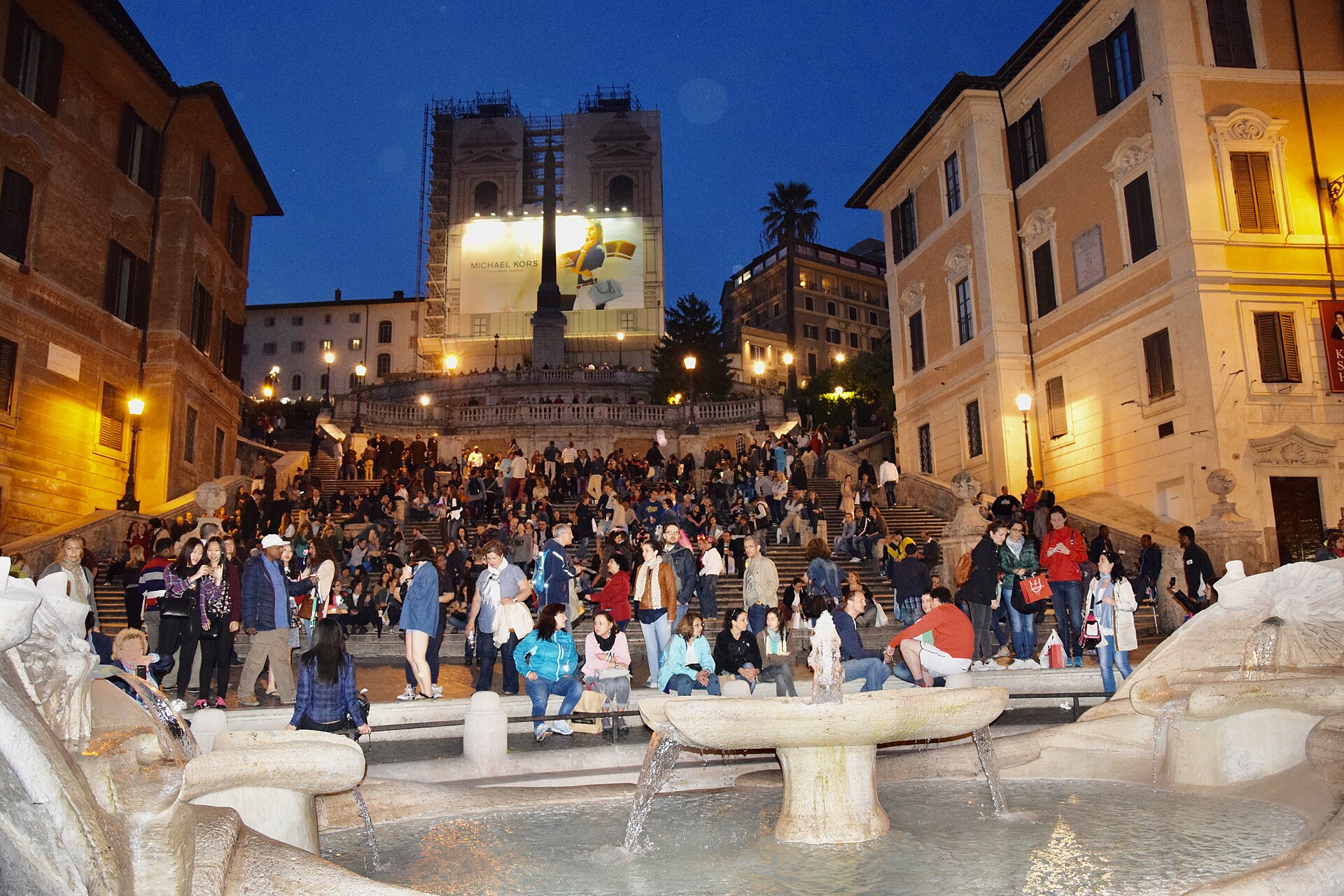
The best Italy travel tips are not the ones that make the country sound difficult. Italy is not difficult. It is one of the easiest countries in Europe to love. But it does have its own operating system: train tickets that may need validation, church dress codes that matter more in some places than others, restaurants that do not run on all-day tourist hours, public bathrooms that can be oddly inconvenient, taxis that should be handled carefully, city centers with restricted driving zones, pharmacies that work differently from drugstores abroad, and crowded places where pickpockets know exactly who is distracted.
I do not like fear-based Italy advice. It makes people suspicious of every stranger and turns a beautiful trip into a defensive crouch. But I also do not like vague reassurance. “Just relax, everything is fine” is not helpful when your phone disappears on a crowded bus, your train is cancelled during a strike, your passport is too close to expiry, or you are turned away from a church because your shoulders are uncovered.
This is the practical layer: safety, scams, entry rules, EES and ETIAS, emergency numbers, etiquette, packing, SIM and eSIM choices, pharmacies, health care basics, public bathrooms, water fountains, strikes, taxis, documents and everyday rules that first-time visitors often learn the hard way.
Keep it beside our complete Italy travel guide, Italy itineraries, Italy transportation guide, where to stay in Italy, best time to visit Italy, Italy travel budget, and Italy food and wine travel guide. The route is the dream. The practical details are what keep the dream from leaking time and money.
Quick Answer: The Most Useful Italy Travel Tips
If you only remember the short version, remember these:
- Italy is generally safe for tourists, but petty theft is the main practical risk.
- Keep your phone, wallet and passport out of easy outer pockets, especially on public transport and around major sights.
- Use official entry-rule sources before travel. As of May 25, 2026, EES is active for many non-EU short-stay border crossings, while ETIAS is scheduled for the last quarter of 2026 but has no exact start date yet.
- For many visa-exempt tourists, short Schengen stays are limited to 90 days in any 180-day period.
- U.S. travelers should have a passport valid at least 3 months beyond planned Schengen departure, with 6 months recommended by the U.S. State Department.
- Dial 112 for emergencies in Italy.
- Validate paper regional train, bus or tram tickets when required. A ticket is not always “used” just because you bought it.
- Check the official MIT strike calendar and operator apps if traveling on strike-prone days.
- Do not rent a car for Rome, Florence, Venice, Milan or Naples unless you have a specific reason.
- Watch ZTL restricted traffic zones if driving.
- Use official taxis or app-dispatched licensed taxis. Agreeing to random airport or station rides is a bad start.
- Cover shoulders and knees for major churches and Vatican sites.
- Do not buy counterfeit designer goods from street sellers. Tourists can be fined or detained.
- Do not sit, eat, bathe or climb where monuments and fountains prohibit it.
- Carry some cash, but use cards for most normal purchases.
- Choose an eSIM, roaming plan or local SIM before you need it. Public Wi-Fi should be a backup, not your whole data plan.
- Pharmacies are marked by a green cross and are often your first stop for minor health issues.
- Bring prescriptions in original packaging and carry a doctor’s note for important medications.
- Public bathrooms can be paid, scarce or attached to cafes. Use good bathrooms when you see them.
- Learn the local rhythm: light breakfast, later dinner, regional food, quieter behavior in churches, and less American-style tipping.
The detailed support guides are Is Italy Safe for Tourists?, Italy Entry Requirements, Italy Tourist Scams, Italy Packing List, Italy Etiquette, Italy SIM Card and eSIM Guide, Pharmacies and Health Care in Italy, and Public Bathrooms, Water Fountains and Everyday Logistics in Italy.
Is Italy Safe For Tourists?
Yes, Italy is safe for most tourists. The useful caveat is that “safe” does not mean “nothing can go wrong.” The safety issue that affects ordinary travelers most often is petty theft: pickpocketing, bag snatching, phone theft, passport theft, theft from parked cars and opportunistic scams in crowded tourist areas.
The U.S. Department of State currently lists Italy as Level 2, “Exercise increased caution,” due to terrorism risk, and also notes pickpocketing, counterfeit goods, monument rules and local laws. The UK, Canadian and Australian advisories all point to similar practical concerns: low violent-crime risk for most tourists, but frequent petty theft in tourist areas and transport hubs.
That matches the on-the-ground feeling. Italy is not a place where I walk around expecting danger. It is a place where I do not leave my phone on a cafe table, hang a bag on the back of a chair, keep a wallet in a back pocket, or set luggage down casually at a station.
The most common risk spots are:
- Rome metro, buses, Termini station, Trevi Fountain, Colosseum area and Vatican approaches.
- Florence around Santa Maria Novella station, Ponte Vecchio, Duomo area and museum queues.
- Venice around Rialto, San Marco, vaporetto stops and Santa Lucia station.
- Milan around Centrale station, Duomo, Galleria and crowded metro lines.
- Naples around busy station areas and crowded streets.
- Any major airport, train station, bus terminal, beach parking area or crowded event.
The best safety habit is not paranoia. It is reducing easy opportunities. Use a crossbody bag worn in front in crowds. Keep valuables zipped. Do not put everything in one wallet. Use hotel safes wisely. Carry a copy of your passport and keep a digital backup. If you rent a car, do not leave luggage visible, especially near beaches, trailheads or city centers.
For the full safety guide, use Is Italy Safe for Tourists?.
Entry Rules, Passports, EES And ETIAS
Entry rules change, and this section is especially current-sensitive. Last fact checked: May 25, 2026. Always verify with official government and EU sources before travel, especially if your trip is close to the launch of a new border system.
Short Stays And The Schengen Rule
Italy is part of the Schengen Area. Many visa-exempt travelers, including U.S., UK, Canadian and Australian tourists, can usually visit Italy and the wider Schengen Area for up to 90 days in any 180-day period for tourism or business, subject to nationality-specific rules.
The 90 days are Schengen-wide, not Italy-only. If you spend 30 days in France, 20 in Spain and 40 in Italy, you are at 90 days. The clock is not reset by moving between Schengen countries.
Passport Validity
For U.S. travelers, the U.S. State Department says passports must be valid at least 3 months beyond the planned date of departure from the Schengen Area, and recommends 6 months. Other nationalities should check their own government’s Italy advice and official Schengen guidance.
My practical advice: do not travel to Italy with a passport close to expiry if you can renew it. Border rules are not the place to gamble.
EES As Of May 25, 2026
The EU Entry/Exit System, or EES, is now part of the border picture for non-EU nationals entering and leaving the Schengen Area for short stays. The European Commission says EES replaces passport stamping with digital records and collects travel document data and biometrics such as facial image and fingerprints.
For travelers, the practical effects are:
- Border processing may take longer, especially during the transition period and at busy airports.
- Passport stamps are no longer the main record for affected travelers.
- The system helps enforce the 90/180-day rule.
- Travelers should allow extra airport time and keep itineraries realistic after long-haul arrivals.
ETIAS As Of May 25, 2026
ETIAS is not the same thing as EES. ETIAS is the planned pre-travel authorization for visa-exempt travelers visiting participating European countries. As of May 25, 2026, the European Commission says ETIAS is scheduled to start in the last quarter of 2026, with the exact date to be officially announced later.
If your trip is in late 2026 or beyond, check the official EU ETIAS page before booking nonrefundable travel. Use official EU links. ETIAS is a category where scammy or overpriced third-party sites are likely.
Use Italy Entry Requirements for US, UK, EU, Canada and Australia Travelers for the dedicated version.
Documents, Passports And Accommodation Check-In
Italian accommodations normally collect guest identification details for public-security registration. Hotels will ask to see your passport or ID. Apartments and guesthouses may ask for details too. This is normal.
The balance is security. You should expect legitimate accommodations to verify identity, but you should also be careful about sending passport scans through random channels before you are confident the property is real. If a host’s process feels odd, ask for clarification through the official booking platform.
I use this document setup:
- Passport stored securely, with a digital copy in encrypted cloud storage.
- A paper photocopy separate from the passport.
- Travel insurance details saved offline.
- Emergency contact and embassy/consulate contact saved offline.
- Cards split between wallet and backup location.
- One backup card not carried every day.
Whether to carry your actual passport daily is debated. Some authorities can ask for identification. Many travelers carry a copy and leave the passport secured, especially in cities. If you are checking into lodging, crossing borders, renting a car, using some official services or handling tax-free shopping, you may need the original. The safest practical approach is to know when the original is needed, avoid carrying it loosely, and never put it in an easy outer pocket.
Pickpockets And Tourist Scams
Pickpockets are not magic. They need opportunity, distraction and access. Your job is to reduce all three.
The common patterns are:
- Crowded metro doors where people push as you board or exit.
- Someone “helping” with ticket machines or luggage.
- Petition/clipboard distractions near landmarks.
- Friendship bracelets or roses that turn into a demand for money.
- Street performers creating a crowd while accomplices work.
- A spill, bump or commotion that pulls your attention away from your bag.
- Phones taken from outdoor cafe tables.
- Bags lifted from chair backs.
- Luggage grabbed during station confusion.
- Car break-ins after travelers leave bags visible.
Do not make yourself an easy target. Keep the phone in hand only when using it, then put it away. Wear a bag where you can see the zipper. Put nothing valuable in a backpack outer pocket. Step aside before checking maps. Do not stop in bottlenecks. If someone enters your space too quickly with a clipboard, bracelet, flower or “free gift,” keep walking.
If something is stolen:
- Get to a safe place.
- Freeze cards through your bank apps.
- Track or lock the phone if possible.
- File a police report if you need it for insurance or passport replacement.
- Contact your embassy or consulate if your passport is gone.
- Contact your travel insurer.
For the full checklist, use Italy Tourist Scams and How to Avoid Them.
Etiquette That Actually Matters
Italian etiquette advice can get silly online. No, your trip is not ruined if you order cappuccino after lunch. But there are norms and rules that matter because they affect access, service, fines or how you come across.
Church Dress Codes
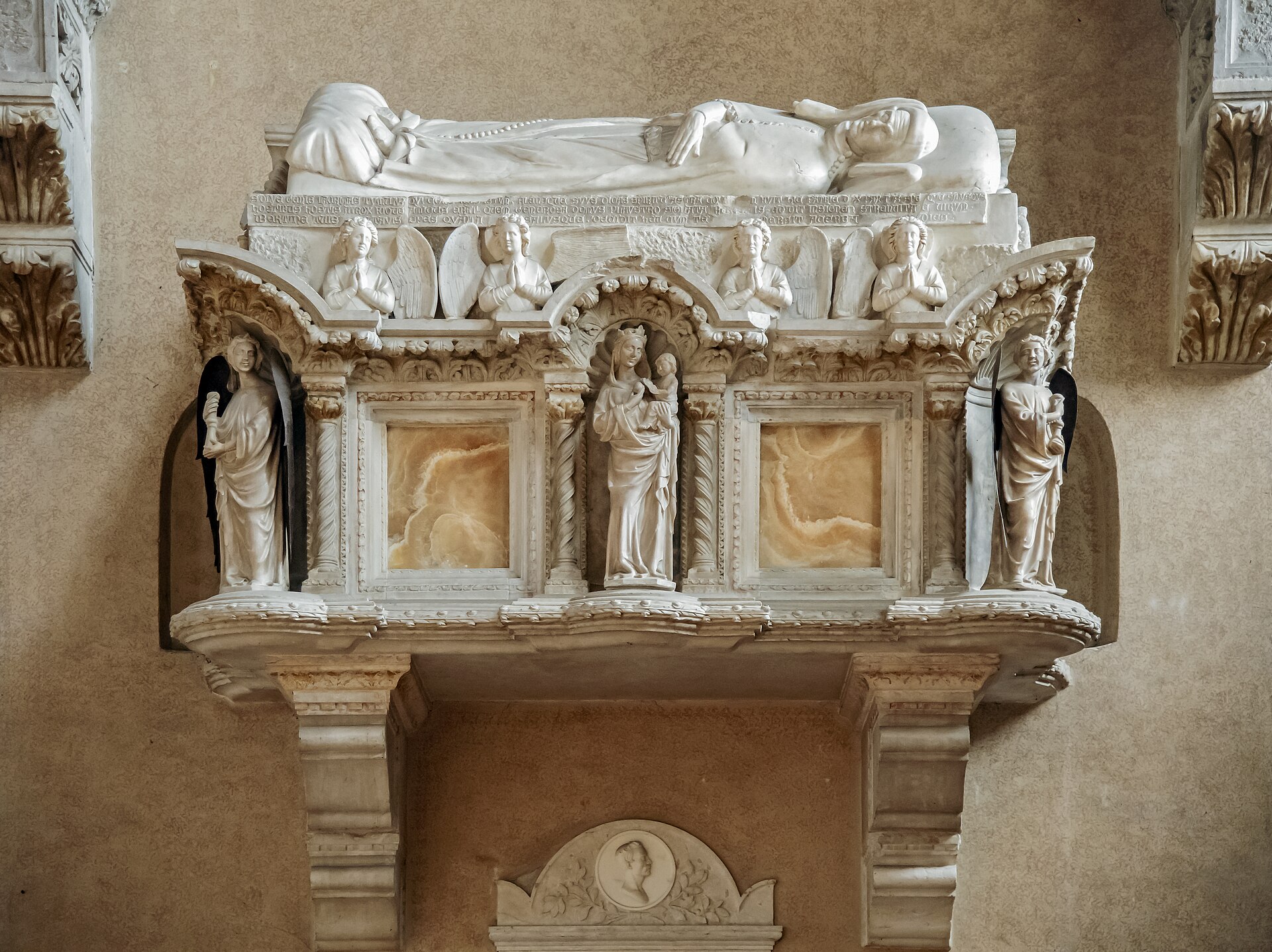
For major churches and Vatican sites, cover shoulders and knees. Avoid hats inside churches. Carry a light scarf or layer in warm months. Enforcement varies, but do not treat that as permission to show up dressed for the beach.
This matters most at Vatican sites, St. Peter’s Basilica, major basilicas, monastery/church complexes and smaller religious sites with posted rules.
Restaurant Rhythm
Breakfast is usually light. Lunch has real hours. Dinner is later than many visitors expect. Restaurants that stay open continuously all day in heavy tourist zones are not automatically bad, but they deserve scrutiny.
Do not expect every dish in every region. Eat regionally. Do not demand heavy substitutions in traditional restaurants. Ask politely about allergies, but understand that “I prefer” and “I cannot eat” are different conversations.
For food-specific guidance, use Italy Food and Wine Travel Guide and Italy Etiquette: Restaurants, Churches, Trains and Public Behavior.
Tipping
Tipping in Italy is modest. You can round up, leave a few coins or small bills, or add 5-10 percent for excellent service in a nicer restaurant. American-style 20 percent tipping is not the default expectation.
Check whether coperto or servizio appears on the bill. Coperto is a cover charge, not a tip in the American sense, but it is a normal line item in many restaurants. Use Real Prices for an Italy Trip for the broader money context.
Public Behavior
Do not climb, deface, sit on, bathe in or eat on monuments and fountains where prohibited. Cities have local rules, and enforcement can happen. Do not buy counterfeit designer goods from street sellers. The U.S. State Department explicitly warns that tourists can be fined or detained for buying counterfeit goods, defacing historic monuments and using drones improperly.
In short: Italy is not a theme park. The public space is beautiful because it is real and old. Treat it that way.
Train, Bus And Transport Tips
Italy’s transport system is one of the reasons the country works so well for independent travelers. It is also where small mistakes become fines or missed plans.
Validate Tickets When Required
Paper regional train tickets, bus tickets, tram tickets and metro tickets may need validation before travel or at boarding, depending on city and ticket type. If you do not validate when required, an inspector can fine you even if you bought the ticket.
Digital tickets have their own rules, such as check-in in the operator app or validity windows. Read the ticket instructions. This is boring advice that saves money.
Know Station Names
Many cities have multiple stations. Venice Santa Lucia is on the islands; Venezia Mestre is on the mainland. Milan Centrale, Porta Garibaldi and Rogoredo are different. Rome Termini and Tiburtina are different. Florence Santa Maria Novella is central; other Florence-area stations may be less convenient.
For the full system, use Italy Transportation Guide.
Strikes Happen
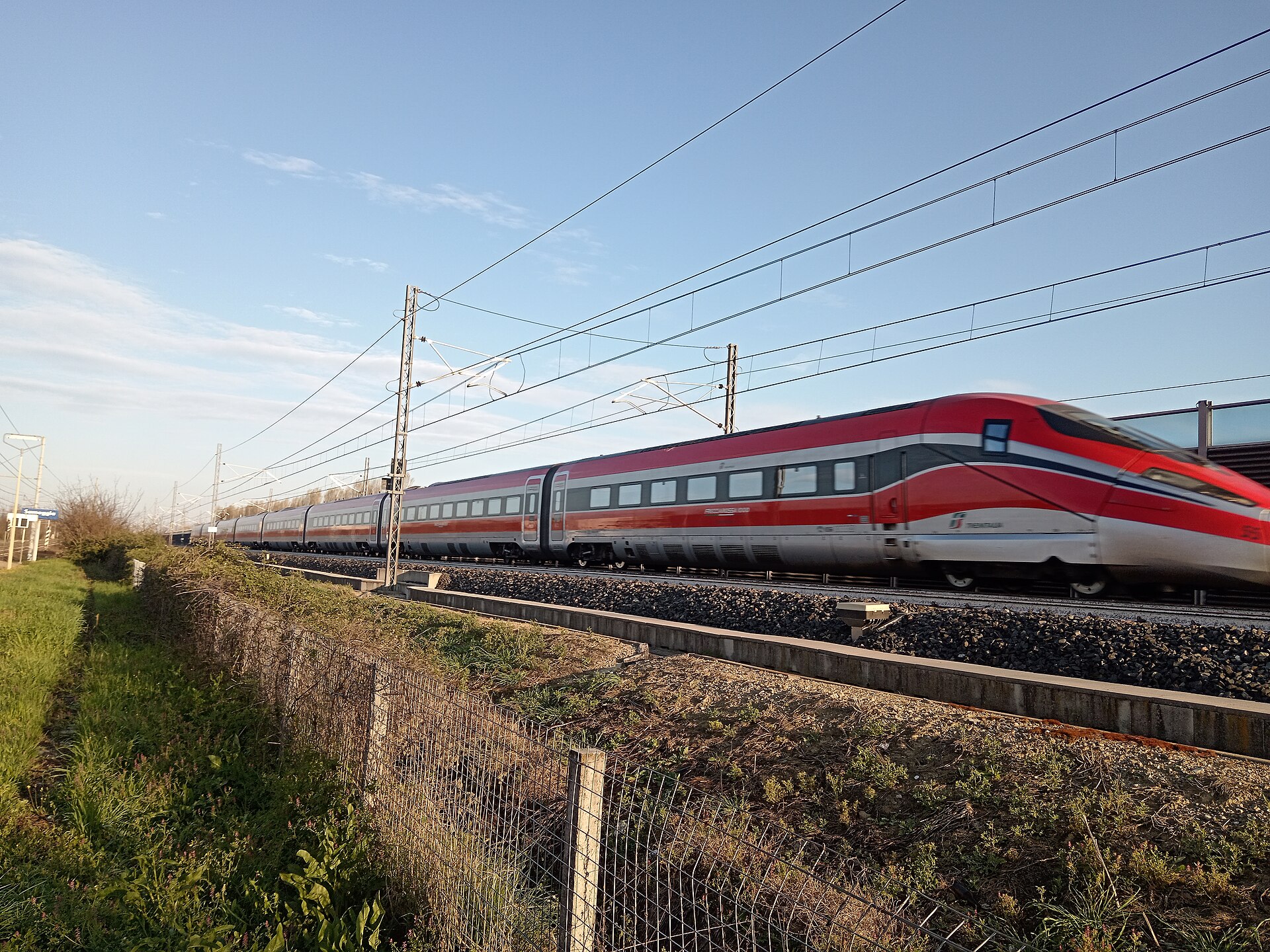
Transport strikes in Italy are not rare, but they are also not always trip-ending. The official MIT strike calendar lists scheduled transport strikes. Trenitalia publishes information about guaranteed minimum services during rail strikes. Regional and local operators may publish their own service details.
If a strike overlaps your route:
- Check the official MIT calendar.
- Check your train or transit operator.
- Look for guaranteed services.
- Avoid tight same-day flight connections.
- Move critical travel to the day before if the risk is high.
- Keep accommodation flexible when possible.
Taxis And Ride Apps
Use official taxis from ranks, hotel calls or reputable local taxi apps. Avoid people approaching you inside airports or stations offering rides. In cities, official taxis have regulated meters or fixed airport fares on certain routes, but rules vary by city.
Ride-share expectations from the United States do not always translate cleanly. In some Italian cities, app availability is limited or works through licensed car services. If you land late, plan the airport transfer before arrival.
Cars, ZTLs And Parking
Do not rent a car for the major city route unless you have a specific reason. Trains are better for Rome, Florence, Bologna, Venice, Milan, Naples, Verona and Turin. Cars are useful for rural Tuscany, parts of Sicily, Puglia countryside, the Dolomites, some lakes, wine regions and small towns.
ZTLs are restricted traffic zones. Driving into one without authorization can trigger fines. Parking garages can be expensive. Historic centers can be stressful. If your accommodation says “parking nearby,” ask exactly where, how much, and whether you must avoid restricted streets.
Venice, Rome, Florence And Other High-Friction Places
Some Italy practical tips are universal. Some are place-specific.
Venice
Venice is car-free in the historic center, so luggage and walking matter. A short walk on a map can include bridges. Vaporetti are useful but crowded. Private water taxis are expensive. If you are visiting on Venice access-fee dates, check the official Venezia Unica access-fee system and your overnight-guest exemption requirements.
Use Venice and Veneto Travel Guide and Choosing Where to Base Yourself in Italy before deciding between Venice island and Mestre.
Rome
Rome rewards central planning. Distances can be larger than they look, and heat makes bad pacing worse. Book major sights early, protect valuables on buses and metro lines, and do not assume every taxi or tour offer near a landmark is good value.
Use Rome Tourism Guide for the city plan.
Florence
Florence is compact, but museum demand and crowds are intense. Book key timed entries, watch bags around the station and Ponte Vecchio, and do not drive into the historic center without understanding ZTLs.
Use Florence and Tuscany Travel Guide.
Sicily, Puglia And The Countryside
In rural regions and islands, practical tips change. You may need a car, offline maps, parking plans, more cash, beach shoes, different pharmacy expectations and more buffer time. Sicily and Puglia are not difficult, but they are less forgiving of city-only assumptions.
Use Sicily Travel Guide and Puglia and Southern Italy Travel Guide when those regions are part of your route.
Emergency Numbers And What To Do In A Problem
The main emergency number in Italy is 112. Italia.it says 112 is the single number to call for emergencies, and the operator routes you to the appropriate service.
Useful numbers include:
| Need | Number |
|---|---|
| General emergency | 112 |
| State Police | 113 |
| Fire brigade | 115 |
| Medical emergency/ambulance | 118 |
| Roadside assistance ACI | 803.116 |
| Travel/traffic information | 1518 |
| Sea rescue | 1530 |
If you are in a serious emergency, call 112. If you are dealing with theft, go to the police and request a report for insurance. If your passport is lost or stolen, contact your embassy or consulate after filing the necessary report. If you need urgent medical care, use emergency services. If it is minor, a pharmacy may be the right first stop.
Pharmacies, Medication And Health Care Basics
Italian pharmacies, farmacie, are marked by a green cross. They are not exactly like large drugstores in the United States. Many medicines are kept behind the counter, and pharmacists can advise on minor issues. Hours vary, but towns and cities usually have rotating after-hours pharmacies, often posted at pharmacy doors or searchable locally as “farmacia di turno.”
Bring important medications in original packaging. Carry prescriptions or a doctor’s letter for medication that matters, especially controlled substances, injectables, unusual quantities or anything that could raise questions. Do not assume a familiar brand name will exist in Italy. Active ingredients matter more than brand names.
Travel insurance is worth taking seriously. EU/EEA travelers may have access through EHIC-type arrangements, and some countries have reciprocal agreements, but coverage varies. Non-EU travelers should not assume their home insurance works abroad.
For the deeper version, use Pharmacies, Health Care and Travel Insurance in Italy.
SIM Cards, eSIMs, Wi-Fi And Phone Setup
Do not land in Italy with no data plan and hope public Wi-Fi carries the trip. Maps, train apps, restaurant reservations, ticket changes, messaging and emergency contacts all work better when you have reliable data.
Your choices are:
- International roaming from your home carrier.
- Travel eSIM bought before arrival.
- Italian physical SIM after arrival.
- Italian eSIM from a local provider if your phone supports it.
- Public Wi-Fi as backup.
An eSIM is often easiest for short trips if your phone is unlocked and compatible. A local physical SIM can be better for longer trips, heavier data use or travelers who need a local phone number. Public Wi-Fi can help, and Italia.it points visitors to the wifi.italia.it app, but I would not make public Wi-Fi the core plan.
Before departure:
- Check whether your phone is unlocked.
- Check eSIM compatibility.
- Install the plan before the flight if using eSIM.
- Save hotel addresses offline.
- Download offline Google Maps or another map app.
- Install Trenitalia, Italo, airline, accommodation and ticket apps.
- Keep two-factor authentication in mind if your home number will not work.
Use Sorting Data and a SIM in Italy for the dedicated guide.
Money, Cards And Cash
Italy uses the euro. Cards are widely accepted in cities, hotels, restaurants, supermarkets, stations and many attractions. Contactless payment is common. Still, carry some cash for small purchases, markets, rural businesses, tips, public bathrooms, backup and occasional card-machine issues.
Avoid dynamic currency conversion. If a terminal asks whether to charge your card in your home currency or EUR, choose EUR. Your bank or card network usually gives a better conversion than the merchant’s offered rate.
Use bank ATMs when possible. Avoid standalone machines with unclear fees. Keep a backup card separate from your main wallet.
Public Bathrooms, Water Fountains And Everyday Logistics
Italy public bathrooms can be one of the small surprises. They may be paid, scarce, inside cafes, inside museums, at stations, or not as clean as you hoped. Carry small coins or a small card-enabled payment option. Use museum, restaurant and hotel bathrooms when you have the chance.
Water is generally safe to drink. Rome and many other places have public fountains, though you should use common sense and local signage. In restaurants, you usually order still or sparkling bottled water, though tap water may be available if asked.
Carry:
- Tissues.
- Hand sanitizer.
- A small refillable water bottle.
- Any medication you might need during the day.
- A light scarf or layer for churches.
- A compact power bank.
Use Public Bathrooms, Water Fountains and Everyday Logistics in Italy.
Packing Tips By Season
Italy packing mistakes usually come from planning for an aesthetic instead of the actual trip. The country includes Alpine weather, humid cities, hot archaeological sites, windy ferries, beaches, churches, rain and uneven stone.
Bring comfortable shoes before anything else. Italy is a walking country for most tourists, and many surfaces are old. Break shoes in before travel. Do not bring only sandals for a city itinerary unless they are genuinely supportive.
Seasonally:
- Spring: layers, rain shell, comfortable shoes, scarf, light sweater.
- Summer: breathable clothes, sun hat, sunscreen, refillable bottle, church cover-up, anti-chafe strategy.
- Fall: layers, rain shell, warmer evening layer, comfortable shoes.
- Winter: coat, scarf, waterproof shoes, umbrella, layers, museum-friendly clothes.
- Beach/mountain trips: region-specific gear, not just city clothes.
Use Italy Packing List by Season and The Best Months for an Italy Trip together.
Accessibility And Mobility Basics
Italy can be challenging for travelers with mobility needs. Historic centers have cobbles, steps, bridges, hills, narrow sidewalks, old elevators, uneven pavement and transit gaps. Venice, Positano, hill towns and some archaeological sites require extra planning.
Practical steps:
- Choose hotels with confirmed elevator access, not just “lift” in a filter.
- Ask whether there are steps before the elevator.
- Stay close to the sights or transit you need most.
- Use taxis or private transfers where the route would otherwise be exhausting.
- Check official accessibility pages for major museums and stations.
- Avoid overpacking the itinerary.
This is where lodging choice matters. Use Where to Stay in Italy before booking if mobility, stairs or rest breaks are important.
Families, Solo Travelers And Older Travelers
Families should slow down, book central lodging, protect rest time and avoid too many hotel moves. Italy is good with children in many ways, but stroller logistics can be hard in Venice, hill towns, metros and old centers.
Solo travelers should stay central, avoid poorly lit late-night walks in unfamiliar areas, keep phone battery secure, and consider food tours or small-group tours early in a stay. Italy is generally good for solo travel, but solo travelers are more exposed to single-person lodging costs and late-night navigation.
Older travelers should build rest into the day, check hotel elevators, avoid midday heat in summer, and be realistic with cobbled walking. A slower Italy trip is not a lesser trip.
Common Italy Practical Mistakes
Mistake 1: Treating Entry Rules As Static
EES and ETIAS have changed or are changing how many non-EU travelers interact with Schengen borders. Check official sources close to travel.
Mistake 2: Carrying Everything In One Place
Do not carry every card, all cash, passport and phone in one easy-to-reach bag. Split risk.
Mistake 3: Ignoring Ticket Validation
Buying the ticket is not always enough. Validate or check in when required.
Mistake 4: Renting A Car For Cities
Rome, Florence, Venice, Milan and Naples are not improved by a tourist car. Use trains and local transit. Rent only for the segment that needs it.
Mistake 5: Eating Only When Desperate
Hunger beside a landmark is how many bad meals happen. Learn meal hours and keep a backup snack.
Mistake 6: Assuming Every Place Works Like Rome
Sicily, Puglia, the Dolomites, Tuscany countryside, the lakes and Venice all have different logistics. Use destination-specific guides before copying a city plan.
Mistake 7: Overpacking
You will carry the bag over cobbles, stairs, station platforms, bridges and small hotel elevators. Pack less than you think.
Support Guides For Italy Travel Tips
Use these deeper guides as you get closer to departure:
- Is Italy Safe for Tourists?
- Italy Entry Requirements for US, UK, EU, Canada and Australia Travelers
- Italy Tourist Scams and How to Avoid Them
- Italy Packing List by Season
- Italy Etiquette: Restaurants, Churches, Trains and Public Behavior
- Italy SIM Card and eSIM Guide
- Pharmacies, Health Care and Travel Insurance in Italy
- Public Bathrooms, Water Fountains and Everyday Logistics in Italy
For the wider trip, the most useful companion guides are Italy Travel Guide, Italy Itineraries, Italy Transportation Guide, Best Time to Visit Italy, Italy Travel Budget, Our Guide to Italian Bases and Neighbourhoods, Italy Food and Wine Travel Guide, Rome Tourism Guide, Venice and Veneto Travel Guide, Sicily Travel Guide, Puglia and Southern Italy Travel Guide, and Everything You Need to Know About Milan and Northern Italy.
Questions travellers ask
Is Italy safe for tourists?
Yes, Italy is generally safe for tourists. The main practical risk for most visitors is petty theft, especially pickpocketing and bag snatching in crowded tourist areas, stations and public transport. Violent crime against tourists is much less common.
What should I know before traveling to Italy?
Know your entry rules, keep valuables secure, validate tickets when required, check strike notices before critical travel, cover shoulders and knees in major churches, do not drive into ZTLs, carry some cash, and plan phone data before arrival.
Do I need ETIAS for Italy in 2026?
As of May 25, 2026, ETIAS is scheduled to start in the last quarter of 2026, but the exact date has not yet been officially announced. Travelers visiting later in 2026 or beyond should check the official EU ETIAS page before departure.
What is EES in Italy?
EES is the EU Entry/Exit System. It digitally records entries and exits for many non-EU short-stay travelers entering or leaving the Schengen Area and replaces passport stamping with electronic records and biometric checks.
What is the emergency number in Italy?
The main emergency number in Italy is 112. It is the number to call for serious emergencies, and the operator routes the call to the appropriate service. Other useful numbers include 113 for police, 115 for fire and 118 for medical emergencies.
What scams should tourists watch for in Italy?
Watch for pickpockets, fake petitions, friendship bracelets, roses or “free gifts,” taxi overcharging, fake helpers at ticket machines, fake ticket sellers, restaurant overcharging near landmarks and theft from parked cars.
What should I wear in Italian churches?
For major churches and Vatican sites, cover shoulders and knees and remove hats inside. Enforcement varies, but carrying a light scarf or layer is the easiest way to avoid problems.
Do I need an eSIM or SIM card in Italy?
You need some reliable data plan. A travel eSIM is often easiest for short trips if your phone is unlocked and compatible. A local SIM can be better for longer stays or heavier data use. Public Wi-Fi should be a backup, not your only plan.